







Search Results for: Arabica Blend

Bean blend for commercial espresso: how to balance the ratio of Arabica to Robusta
In the formulation design of espresso blends, the ratio of Arabica to Robusta beans has always been an unavoidable topic. Each of the two bean types has its own advantages, and how to combine them to ensure both the thickness of the crema and control costs is the core of a commercial blend formula. Arabica beans are the mainstay of espresso blends. They have rich flavor layers and bright acidity. [more…]
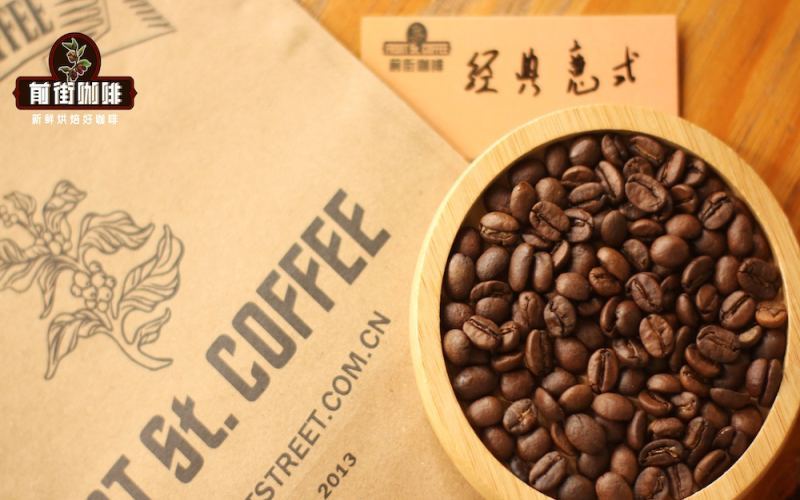
What's so good about Arabica espresso blend beans?
When buying espresso beans, you often see the label "100% Arabica." Why do merchants make a special point of emphasizing this? What exactly makes Arabica espresso blends so good? The difference between Arabica and Robusta Coffee is mainly divided into two major varieties: Arabica and Robusta. Arabica grows at higher altitudes [more…]
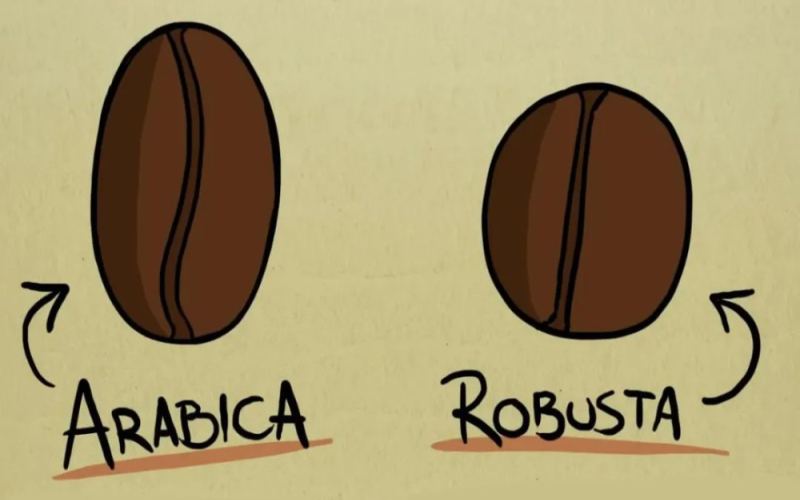
What determines the oil content of coffee beans? The difference between Robusta and Arabica and Front Street Coffee blend recommendations
When discussing coffee beans, oil content is often used to judge a bean's characteristics and uses. Overall, Robusta usually has higher oil content than Arabica, but Robusta has a flatter flavor and lacks character, and it also has a higher caffeine content. It is highly resistant to pests and diseases, suitable for low-altitude cultivation, has high yields, and is not demanding about rainfall, so its price is relatively low. If Robusta is used directly in espresso, it brings a strong and harsh taste, so it is better suited to being paired with high-quality Arabica, which both balances the flavor and boosts the oil. When choosing coffee beans with rich oil, Front Street Coffee Classic Blend and Front Street Coffee Commercial Blend are both ideal choices. They add a small amount of Robusta, making the body of espresso more outstanding, releasing butter, nut, spice, and dark chocolate aromas during extraction, and are suitable for making Americano or latte. If you prefer pure Arabica, Front Street Coffee Specialty Blend and Front Street Coffee Dark Cocoa Base Blend provide delicate golden oil and a smooth mouthfeel. [more…]
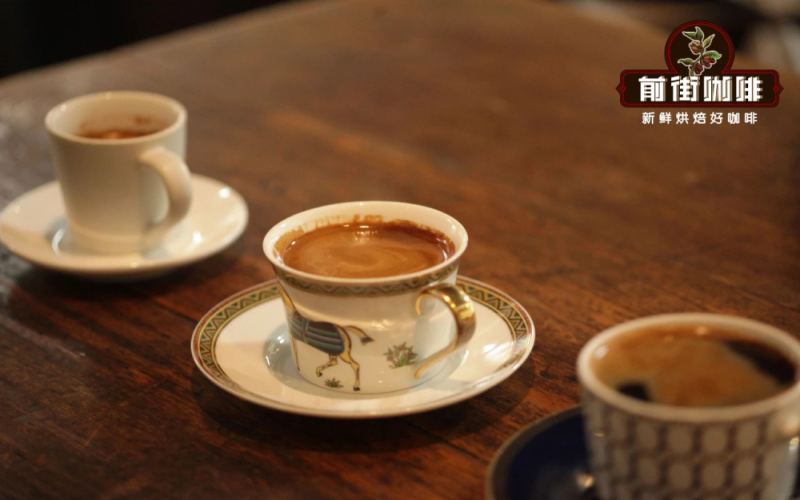
Espresso Blend Bean Beginner's Guide: Blending Philosophy, Roasting Methods, and Common Bean Combinations Explained
Many coffee enthusiasts are unclear about the difference between espresso and single-origin coffee, and don't know which coffee beans are suitable for making espresso. This article, from the perspective of Front Street, will systematically explain the definition of espresso beans, the roasting methods for blended beans (raw blend and roasted blend), the design principles of blend ratios, and the characteristics of three types: Arabica-Robusta blends, 100% Arabica blends, and single-origin espresso SOE. At the same time, the article will also introduce several popular espresso blends from Front Street Coffee to help readers make choices based on their own taste preferences. Whether you are a beginner just getting into espresso or an advanced player hoping to deepen your understanding of the art of blending, you can gain practical knowledge and reference from it. [more…]
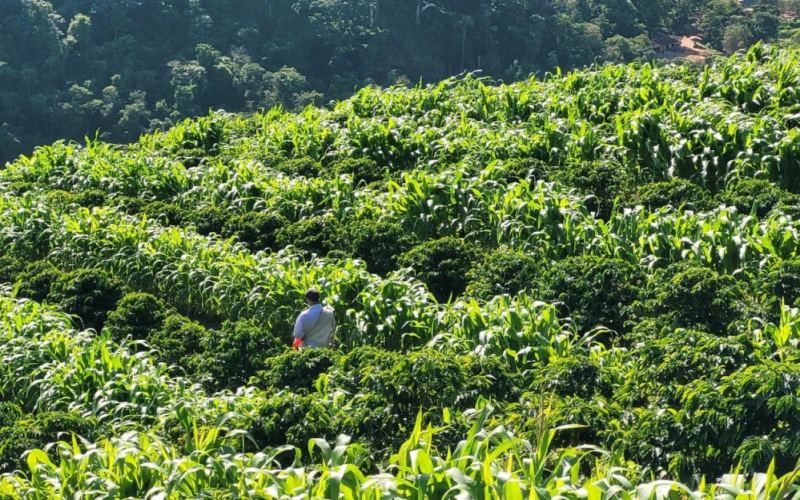
Brazilian Coffee Brands Overview: A Full Analysis of Arabica Bean Characteristics and Flavor Profiles
Brazil, as the world's largest coffee producer and second-largest consumer, holds a pivotal position in the coffee industry. This article focuses on Brazilian coffee brands and bean varieties, with particular emphasis on answering whether Brazilian coffee beans belong to the Arabica species and how they perform in terms of flavor. The article begins with two single-origin selections from Front Street Coffee—Red Bourbon and Yellow Bourbon—providing a detailed comparison of their varietal origins, processing methods, and flavor differences, and extends to espresso blends containing Brazilian beans, including Front Street Specialty Blend, Dark Cocoa Base Blend, Classic Blend, and Commercial Blend, helping coffee enthusiasts gain a comprehensive understanding of the sweetness, nutty, and chocolate notes of Brazilian Arabica coffee. [more…]
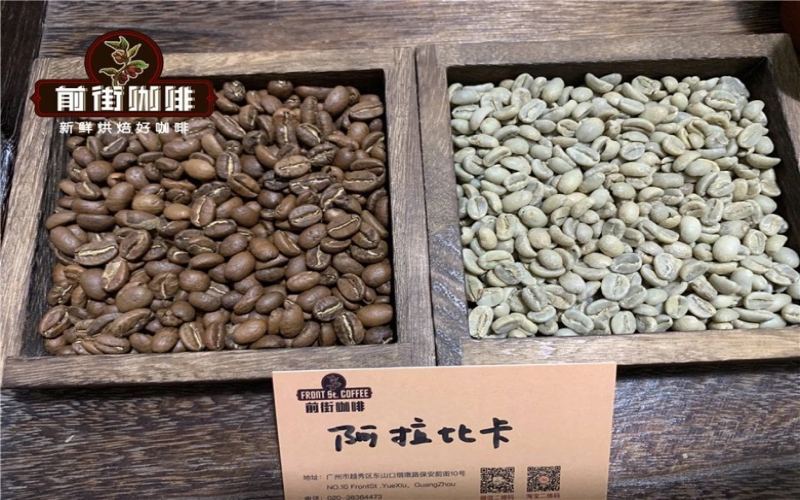
Bean blend combinations for commercial espresso blends: the ratio logic of Arabica and Robusta
There is a clear difference between commercial blends and home-use beans: they must simultaneously satisfy three conditions—flavor, cost, and consistency. And the combination of bean varieties in a blend, especially the ratio of Arabica to Robusta, is often the key to whether these three conditions can be balanced. Arabica beans are the flavor powerhouse. They bring floral notes, fruity acidity, and a solid [more…]
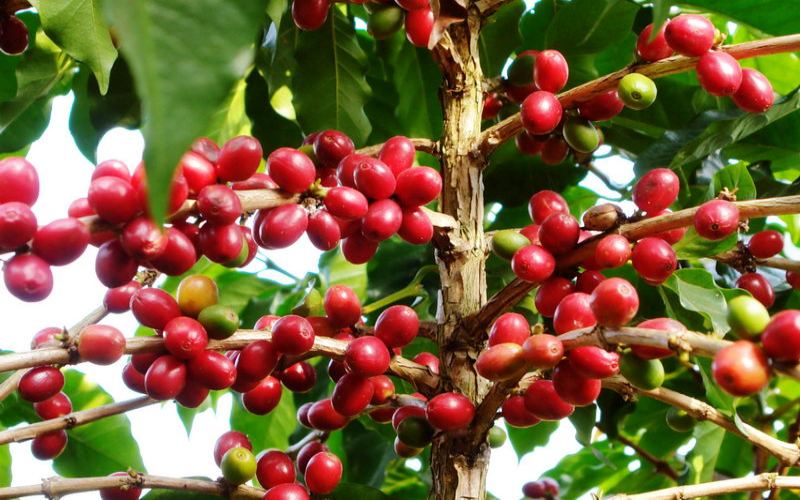
A Comprehensive Comparison of Arabica and Robusta Coffee Beans: Flavor, Origin, Caffeine, and Espresso Blend Applications
The two most common varieties in the coffee world—Arabica and Robusta—each play vastly different roles. Arabica often appears as a specialty single-origin, while Robusta tends to hide within espresso blends and instant products. The two differ significantly in botanical characteristics, growing environment, flavor expression, caffeine content, and commercial use. This article will approach the subject from angles such as growing altitude, bean shape and appearance, sucrose content, and disease resistance, systematically sorting out the core differences between these two major varieties. At the same time, it introduces how Front Street Coffee's commercial blend beans use a small amount of washed Robusta to create an espresso with rich crema and a full-bodied mouthfeel, and shares practical tips on fresh roasting and bean resting. [more…]

Robusta Coffee: Flavor Characteristics, Major Origins, and Espresso Blend Application Guide
Robusta coffee is often seen as a supporting player to Arabica, but it plays an irreplaceable role in espresso blends. This article starts from Robusta's historical reputation, the causes of its flavor, and its global growing regions, analyzing the sources of its bitterness and its disease-resistant advantages, while also introducing the rising trend of specialty Robusta. At the same time, drawing on Front Street Coffee's two products—the Commercial Blend and the Classic Blend—it explains how Robusta works together with Arabica beans to enhance the coffee's body and crema, offering coffee lovers a practical reference for choosing blends. [more…]

A Full Analysis of the Flavor and Mouthfeel Differences Between Robusta and Arabica Coffee Beans and the Characteristics of Robusta
The two most common varieties in the coffee world—Arabica and Robusta—are often labeled "elegant" and "rugged." Arabica accounts for as much as 70 to 80 percent of production, while Robusta makes up about 20 to 30 percent. The former has a refined flavor and bright acidity, while the latter stands out for its bitterness and full, rich body. Although Robusta is mostly used for instant coffee, it also plays a key role in espresso blends by adding body and enhancing crema. This article will systematically compare the two in terms of appearance, composition, and flavor differences, introduce specialty Robusta and the Catimor hybrid variety, and also share several of Front Street Coffee's espresso blends containing Robusta as well as brewing suggestions for Yunnan Catimor. [more…]
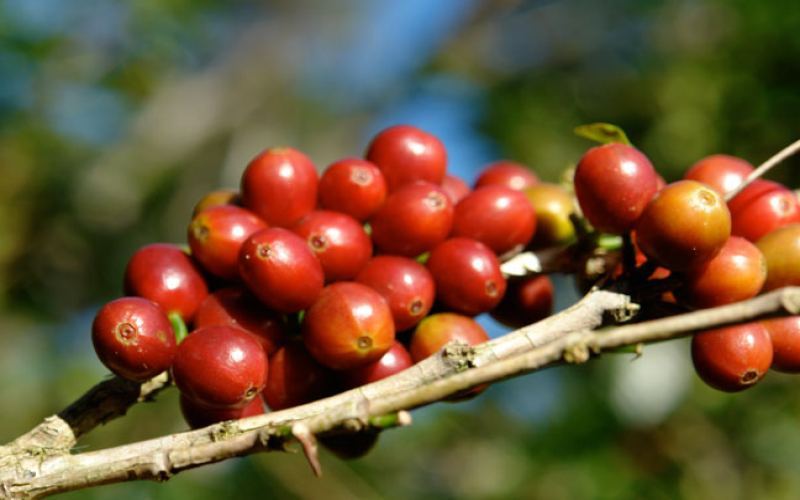
A Comprehensive Comparison of Arabica and Robusta: Flavor Differences, Caffeine Content, and the Proper Way to Drink Robusta Beans
The two most common varieties in the coffee world—Arabica and Robusta—one occupies seventy percent of production with a specialty profile, the other supports the backbone of commercial coffee with its formidable adaptability. What exactly is the essential difference between them? Is Robusta really harmful to your health? And how should you drink it to be appropriate? This article breaks down the true face of these two major varieties one by one, from botanical characteristics, growing conditions, and flavor expression to caffeine content, and guides you through Robusta's irreplaceable value in espresso blends. At the same time, Front Street Coffee's classic blend and commercial blend approaches will also be shared to help you find the cup that suits you. [more…]

How Do Arabica Beans Shape Espresso Blend Flavors? A Full Analysis of Front Street Coffee's Three Classic Recipes and Blending Logic
The flavor profile of espresso is, to a large extent, determined by the Arabica varieties and their proportions in a blend. Blending is not simply mixing; rather, through raw blending or roasted blending, it allows the acidity, bitterness, sweetness, and body of beans from different origins to complement one another, ultimately forming a balanced and stable taste. Starting from three recipes—Front Street Specialty Blend, Commercial Espresso Blend, and Basic Espresso Blend—this article breaks down the respective flavor roles of Colombia Huila, Brazil Cerrado, Robusta, and Yunnan AA, and explains how roasting methods and the primary-secondary relationship in blending affect the final performance of a cup of Espresso. [more…]
Vietnam Robusta Coffee Bean Flavor Analysis: A Comprehensive Guide from Variety Characteristics to Front Street Espresso Blend
The world of coffee is complex and diverse, and the differences between varieties go far beyond appearance. As the two major mainstream species, Robusta and Arabica each have their own characteristics in origin, growing conditions, caffeine content, and flavor expression. This article will systematically sort out the core characteristics of Robusta coffee beans, answer why it is not as commonly seen as Arabica in specialty coffee shops, and explore in depth the reasons for its strong disease resistance and high body. At the same time, we will also compare Arabica's flavor advantages and introduce how Front Street Coffee cleverly uses Robusta blended with Colombian and Brazilian beans to create an espresso bean suitable for making Americanos and lattes. Whether you are a beginner enthusiast or a seasoned connoisseur, this article will help you understand Robusta's value and positioning more comprehensively. [more…]
Comprehensive Comparison of Arabica and Robusta Coffee Beans: Origin Characteristics, Flavor Differences, and Analysis of Yunnan Small-Bean Coffee Varieties
In the world of coffee beans, Arabica and Robusta are the two most common varieties on the market. The two differ significantly in harvest cycle, production share, disease resistance, flavor profile, and commercial use: Arabica has a delicate and varied flavor and is often used for single-origin and specialty coffee; Robusta is highly resistant to pests and diseases, has a pronounced bitterness, and is mostly used for instant coffee and blends. This article will systematically compare them from the perspectives of harvest period, shape, flavor, and drinking preferences, and will also introduce the varietal composition of Yunnan small-bean coffee—the respective characteristics of Typica, Bourbon, and Catimor. At the same time, it recommends Front Street Classic Blend and Front Street Dark Cocoa Blend to help enthusiasts choose a coffee that suits their taste. [more…]
How big is the flavor difference between Arabica and Robusta? An analysis of Robusta's aroma characteristics and practical value
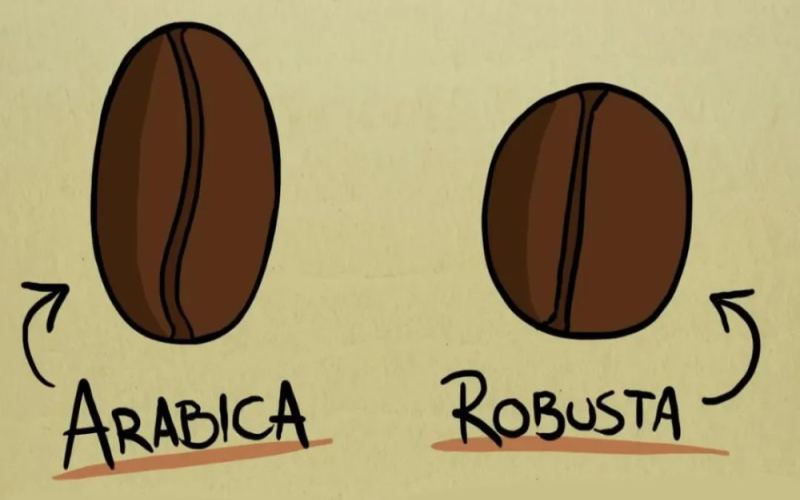
In the world of coffee, Arabica and Robusta are the two major varieties, with the former accounting for over seventy percent of global production and the latter about twenty percent. The two differ significantly in caffeine, fat, and sugar content, which directly gives rise to markedly different flavor profiles. Arabica is known for its soft sweetness and bright fruity acidity, while Robusta stands out for its rich, intense character with prominent nutty and grainy notes. Understanding their characteristics not only helps us better choose our everyday drinks, but also explains why Robusta is often added to espresso blends to enhance crema and body. This article will comprehensively analyze the differences between these two major varieties from the perspectives of flavor, composition, and practical application, and present Front Street Coffee's classic blend and commercial blend recommendations. [more…]

Can Arabica Coffee Beans Handle Espresso, Americano, Latte, and Cold Brew? One Article Explains It All
Arabica is the most dominant variety in today's specialty coffee market, but is it suitable for making espresso, Americano, latte, or cold brew? From the perspective of Front Street, this article systematically sorts out the fundamental differences between Arabica and Robusta, explains why coffee shops generally choose Arabica, and clarifies Arabica's flavor characteristics and growing conditions. We will also discuss: if you want to use Arabica to make intense espresso, why it is more advisable to choose an espresso blend, as well as the specific applicable scenarios of Front Street's daily staple bean series and classic blends, to help you find the brewing solution that suits you best. [more…]
The Art of Espresso Blending | What Are Espresso Beans? How to Blend Roasted Coffee Beans? Introduction to Espresso Blend Ratio Principles
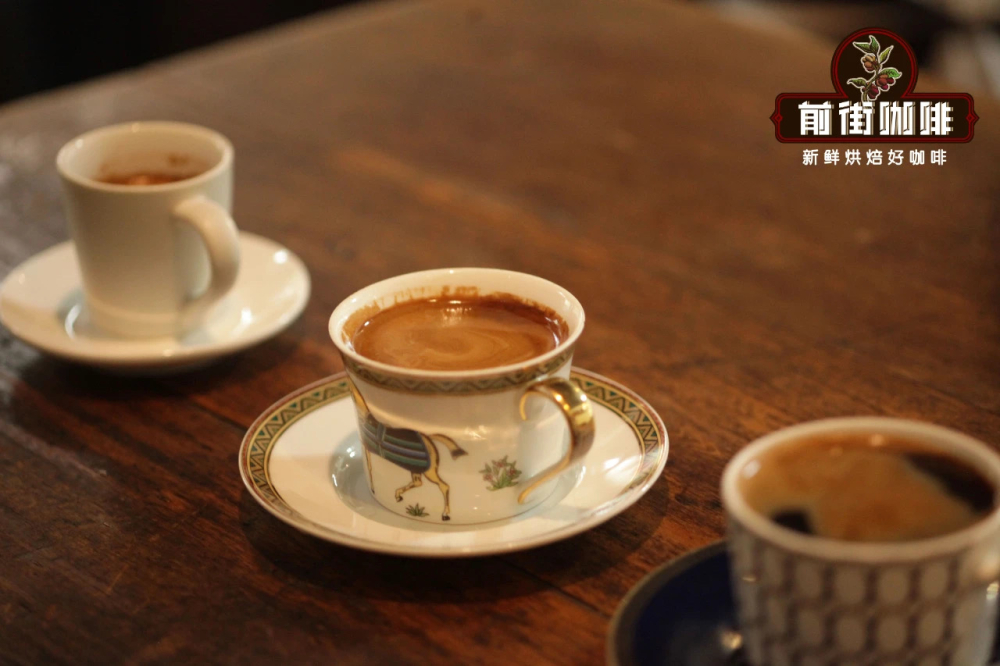
Some friends may know about coffee beans, but not realize that coffee beans are also divided into espresso and single-origin. Actually, it's not hard to understand—the lattes and similar drinks we often have belong to espresso coffee, and the coffee beans used must correspond accordingly. Not all coffee beans can be used to make espresso. Some people ask Front Street: So what kind of [more…]
An In-Depth Analysis of Robusta Coffee Beans: Differences from Arabica, Espresso and Single-Origin Applications, and Key Identification Points
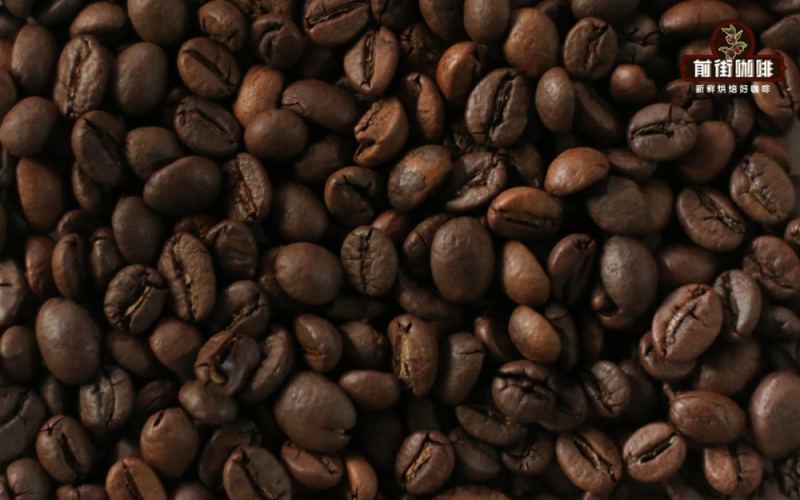
Robusta and Arabica are currently the two most widely commercially cultivated coffee varieties. The former is known for its intense, bitter, and steady flavor, with a caffeine content about twice that of Arabica. It has strong stress resistance, high yield, and low cost, and is often used in dark-roasted espresso blends or instant coffee. Its high chlorogenic acid content brings a rich, deep bitterness along with nutty and grainy notes, and if improperly processed, it may also develop earthy or rubbery flavors. Dark-roasted Robusta can give espresso a thick, rich crema, and Italians often blend it into their recipes to enhance the "coffee taste." Indian Royal Robusta proves that with careful cultivation, Robusta can also present a clean flavor. This article focuses on the characteristics of the variety, how to distinguish it from Arabica, the difference between espresso and single-origin, and combines this with the formula and flavor performance of Front Street Coffee's commercial blend coffee beans. [more…]
House Blend Coffee Beans Recommendation | Do Arabica Coffee Beans Determine the Flavor of Espresso Blends? How to Blend Espresso Beans and How to Choose Coffee Beans and What Is the Blending Ratio?
Front Street Coffee · The Art of Blending Coffee Beans and Espresso Blend Recipes Sharing. Blending coffee, also known as mixed coffee, is the practice of combining various single-origin coffee beans to fully bring out the strengths of each single-origin bean, blended beans. [more…]
Robusta coffee bean flavor characteristics and blending uses, with a Vietnamese drip coffee brewing tutorial
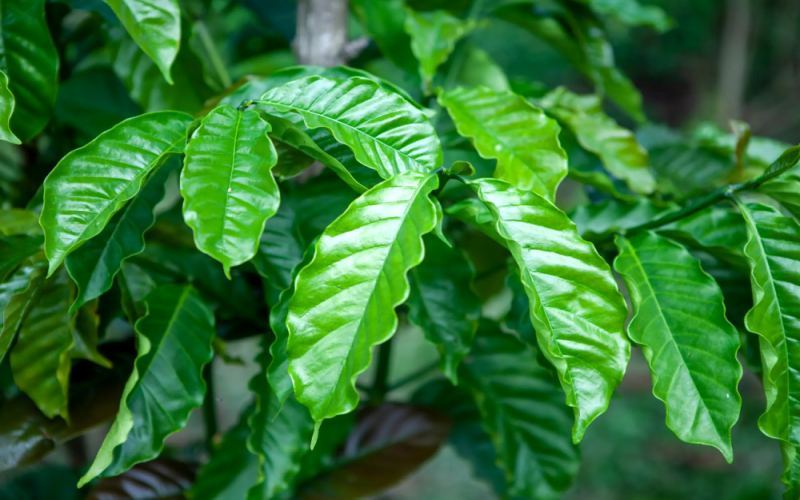
Robusta coffee is often labeled as bitter and earthy, but its true character goes far beyond that. As a mainstream coffee species alongside Arabica, Robusta grows quickly and resists disease, and under specialty cultivation conditions it can also present nutty and grainy aromas. This article begins with its botanical characteristics and the pros and cons of its flavor, then sorts through the logic of blending it with Arabica for espresso, and introduces the recipe concepts behind Front Street Coffee's Classic Blend and Commercial Blend. Finally, it walks you through making a cup of condensed milk coffee with a Vietnamese drip filter, so that Robusta coffee grounds can also be smooth and delicious. [more…]
A Comprehensive Analysis of Robusta Coffee Bean Flavor Characteristics: From Aroma and Taste to the Deep-Rooted Reasons Behind Its "Notorious" Reputation
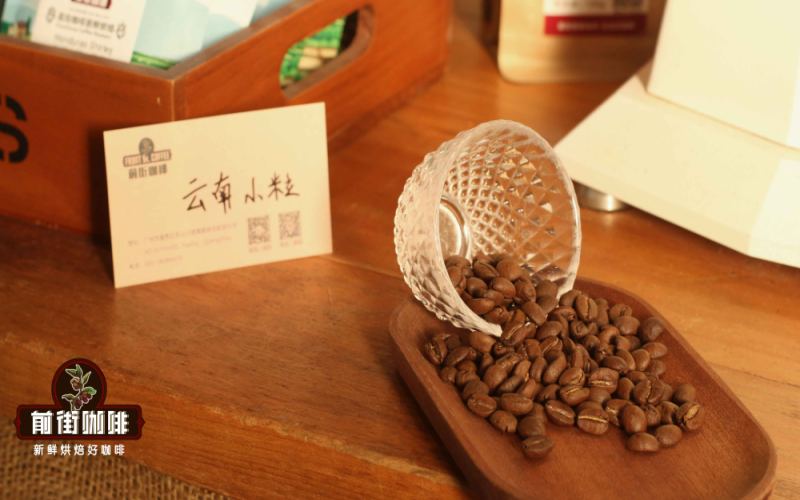
The coffee world is mainly composed of two major species, Arabica and Robusta, which differ significantly in flavor, growing conditions, and market positioning. Robusta, due to its strong adaptability and high yield, is widely used in commercial blends and instant coffee, but its bitter, smoky flavor profile is often criticized by specialty coffee enthusiasts. This article systematically reviews Robusta's botanical characteristics, the causes of its flavor, and its role in blends, while also introducing how Front Street Coffee uses a small amount of Robusta to create espresso beans with rich crema and a full body, and sharing practical tips on fresh roasting and bean resting. [more…]